Germany and France are two of Europe’s top destinations for students and young professionals seeking high-quality internships in the tech sector.
Both countries offer structured programs, advanced digital ecosystems, and opportunities to launch a long-term career.
This guide outlines how to navigate the application process, cultural expectations, and legal requirements to help you secure a tech internship.
Understand the Internship Landscape
Major tech hubs include Berlin, Munich, Frankfurt, Stuttgart, Paris, Lyon, and Toulouse.
Germany
In Germany, internships are usually classified as either mandatory (linked to a university program) or voluntary.
Mandatory internships may be unpaid or pay a symbolic stipend, while voluntary internships longer than three months must comply with minimum wage laws.
Tech opportunities often focus on engineering, software development, automotive technology, and fintech.
France
France, on the other hand, has rapidly developed its “French Tech” scene,
Startups, AI labs, and digital innovation centers are common.
French internships lasting more than two months must offer a legal minimum stipend and be formalized through a document known as the “convention de stage”.
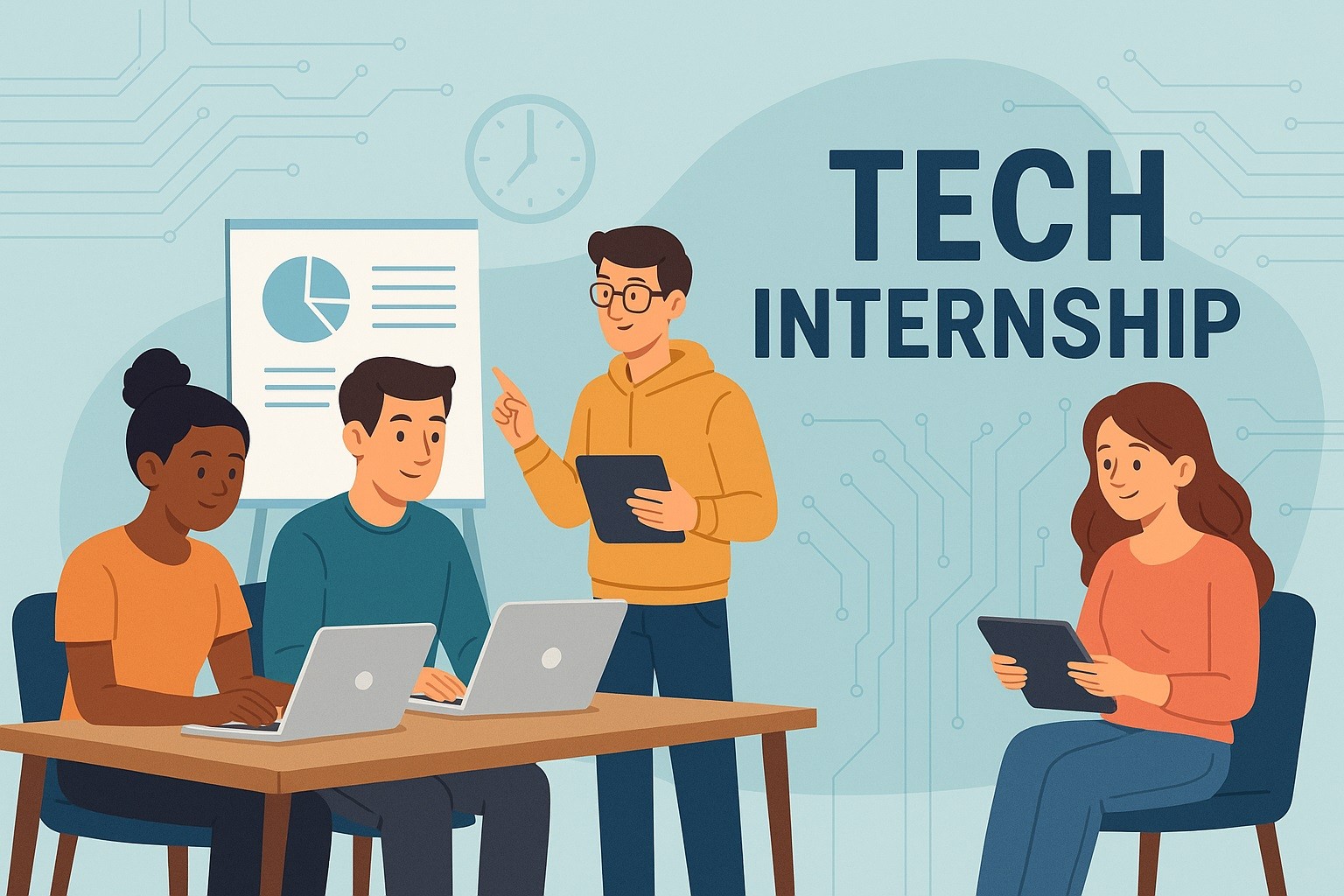
Tailor Your Application Materials
To secure a tech internship, your CV should list education and work history in reverse chronological order and may include a professional headshot.
A one-page cover letter should detail your motivation for applying, relevant technical skills, and alignment with the company.
Supporting documents such as transcripts, reference letters, and internship approvals from labor authorities may also be required.
Be prepared to coordinate with your university and employer to complete this paperwork before starting.
Language and Cultural Expectations
Language proficiency plays a significant role in securing a tech internship.
Many large companies and startups operate in English, but proficiency in the native language remains a significant advantage.
Formality is essential in professional communication, and it’s customary to greet colleagues with polite phrases and maintain respectful interpersonal behavior.
Workplace
German companies are known for valuing punctuality, clear communication, and task ownership.
French offices, meanwhile, often embrace longer lunch breaks, more formal etiquette, and a strong appreciation for collaboration and dialogue.
Understanding and adapting to these nuances can greatly affect how you’re perceived as an intern.
Where and How to Apply
Internships can be found through company websites, university job boards, and national platforms like LinkedIn, Indeed, and Glassdoor.
Specialized sites such as StepStone and Jobware are popular among engineering and tech students. Universities often host career fairs.
Many universities are partnered with platforms like JobTeaser or L’Étudiant, offering centralized access to internship opportunities.
Public institutions like APEC also offer listings aimed at students and early-career professionals.
Networking
Many students report higher success rates when they connect directly with company representatives, attend industry events, or reach out to alumni.
A strong presence on professional platforms like LinkedIn can lead to invitations or referrals.
Visa and Legal Requirements
For EU or EEA citizens, no visa is required to intern in either Germany or France.
However, non-EU students must prepare additional documents depending on the duration and type of internship.
- In Germany, short-term internships of less than 90 days usually fall under the Schengen Visa category, while longer stays require a national visa and residence permit. Students may also need a letter of approval from the Federal Employment Agency and proof of sufficient funds, often in the form of a blocked bank account.
- In France, internships longer than three months require a long-stay internship visa. This process involves providing the signed convention de stage, proof of financial means, health insurance, and accommodation details. Students should begin the visa process well in advance, as French consulates may take several weeks to approve applications.
Stand Out With Projects and Communication
Recruiters appreciate candidates who show initiative, problem-solving ability, and communication skills.
A strong GitHub profile, portfolio website, or participation in hackathons can make your application more attractive.
For software roles, showcasing well-documented code and open-source contributions is often as valuable as formal experience.
Communication
During the interview process, recruiters will look for precision and clarity. Expect direct questions about your technical qualifications and past experiences.
Interviews may focus more on your ability to work in a team and your motivation for joining the organization.
After the interview, sending a follow-up email to thank the interviewer and reiterate your interest is a professional gesture that is well-received in both countries.
Make the Most of Your Internship
Once accepted, your performance during the internship plays a key role in potential long-term outcomes.
Interns who take ownership of tasks, deliver consistently, and contribute to team goals are often invited to extend their stay or return after graduation.
Being open to feedback and showing cultural curiosity can help you gain trust and build relationships within the team.
Asking for feedback, seeking mentorship, and showing enthusiasm about the company’s mission can help convert your internship into a full-time role.
Comparison of Compensation and Salaries
Internship compensation in Germany and France is regulated differently and often depends on internship type, company size, and city of employment.
While neither country pays interns excessively, both offer stipends that can help cover living expenses, especially in major urban centers.
Germany
In Germany, the rules are clear: voluntary internships that last more than three months must be paid at least the national minimum wage.
- As of 2025, the minimum wage is around €12 per hour, which translates to roughly €1,900 gross per month for a full-time intern.
- Mandatory internships (i.e., those required by a university program) are not legally required to be paid, although many companies still offer modest compensation ranging from €300 to €800 per month.
- Larger firms and multinational corporations are generally more generous, with some paying up to €1,500 monthly for skilled technical roles like software development or data analysis.
France
In France, internships lasting more than two months (or 44 working days) must be paid a legal minimum stipend.
- As of 2025, the minimum compensation is €4.35 per hour, which equals approximately €660 per month for a 35-hour workweek.
- In the tech sector, particularly in Paris and other major cities, interns may receive between €800 and €1,200 per month, especially for positions involving programming, UX/UI design, or artificial intelligence.
Conclusion: Secure a Tech Internship
These administrative steps can determine whether or not you’ll be able to intern in your chosen country legally.
Treat the internship not just as a temporary job, but as a long-term investment.
With careful planning and committed performance, an internship could open the door to a thriving career in the European tech industry.