Strong adoption plans matter when classrooms add new tools at speed. Tech in Education succeeds only when pedagogy leads, evidence is visible, and daily routines keep learning at the center.
Districts worldwide now juggle thousands of platforms each year; U.S. K–12 systems, for example, accessed 2,739 distinct edtech tools in 2023–24, while using a much smaller subset monthly, clear proof that volume doesn’t equal value.
Brazilian schools face a similar reality, pairing ambitious connectivity agendas with uneven readiness in classrooms.
Why Some Tech Integration Goes Wrong?
Novelty often outruns learning goals, or tools simply digitize old worksheets without improving outcomes.
Surveys of administrators and teachers highlight predictable friction:
- weak help desks,
- limited training time, and
- uncertainty about managing device-heavy rooms.
In one large nationwide pulse, respondents cited unreliable tech support (72 percent), lack of professional learning opportunities (52 percent), and a need for guidance on handling distraction (42 percent).
A second misconception persists: “digital natives” don’t automatically possess advanced skills.
International assessments of more than 46,000 eighth-graders show that sophisticated competencies still require explicit teaching and practice; only a small share achieved top levels in critical digital tasks.
The 5 Mistakes and Practical Fixes
The items below consolidate frequent missteps observed in districts and networks, including those documented in Brazilian connectivity studies and global usage reports.
Each fix favors simple governance, measurable learning evidence, and routines that teachers can repeat under pressure.
1. Objectives Take a Back Seat to Shiny Tools
Selecting AI, VR, or premium suites first invites objective drift. Lessons then bend around features rather than standards, project rubrics, and success criteria.
Fix:
- Start with specific outcomes and success evidence.
- Map each outcome to one capability the tool enables: creation, practice with feedback, collaboration, or simulation.
- Anything that fails this one-to-one mapping belongs in a later phase or gets cut.
- That alignment also helps procurement justify budgets against measurable results, supporting evidence-based edtech decisions.
2. Pilots Skip Usability and Infrastructure Reality
Complicated interfaces, login sprawl, and fragile Wi-Fi derail good intentions.
Brazilian indicators show gains in access, yet only 30 percent of fundamental and secondary schools reported connections above 51 Mbps in the 2023 edition of TIC Educação, a threshold tied to national connectivity criteria; bottlenecks limit what classrooms can run reliably.
Fix:
- Run low-stakes pilots that mirror real constraints.
- Validate login flows, device parity, and low-bandwidth solutions such as offline modes, downloadable content, and delayed sync.
- Capture teacher minutes lost to setup; retire anything that costs more time than it returns in learning.
3. Training Is Treated as a One-Off
Budgets often cover licenses, but underfund teacher professional development and ongoing support.
Where weekly micro-tutorials, coaching cycles, and quick-response help desks are missing, adoption stalls. In a recent U.S. pulse, educators flagged limited PD and inconsistent support as daily blockers.
Fix:
- budget for people, not just platforms.
- Schedule a repeating cadence:
kickoff onboarding,
weekly office hours,
classroom modeling, and
opt-in micro-credentials tied to pay or recognition. - Track usage and classroom artifacts, not attendance alone.
- Short, job-embedded PD outperforms marathon trainings.
4. Devices Enter Rooms Without Clear Norms
Classroom routines determine whether tools amplify learning or invite distraction. Schools that skip explicit expectations see tab switching, off-task chat, and lost minutes accumulate.
Fix:
- Codify classroom technology management.
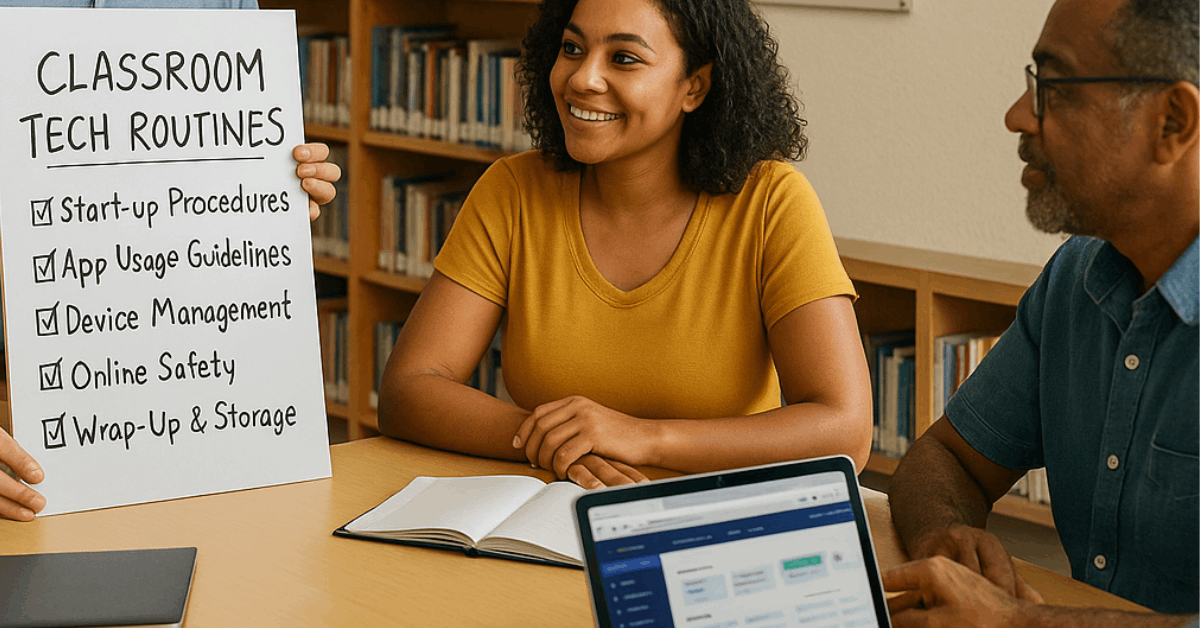
- Establish visual cues for “lids at 45°,” “screens off,” and “collaboration on.”
- Keep navigation paths short inside the LMS and publish a one-page routine: where to find work, how to submit, and what to do when Wi-Fi drops.
- Brazilian snapshots show most schools already maintain cellphone rules; extend that clarity to laptops and tablets.
5. Consumption Crowds Out Creation
Scroll-and-quiz uses dominate when time runs short, starving projects that build transfer.
International evidence suggests higher-order outcomes trend better or equal in in-person or blended models when design emphasizes active tasks over passive watching.
Fix:
- Rebalance toward blended learning strategies that privilege making:
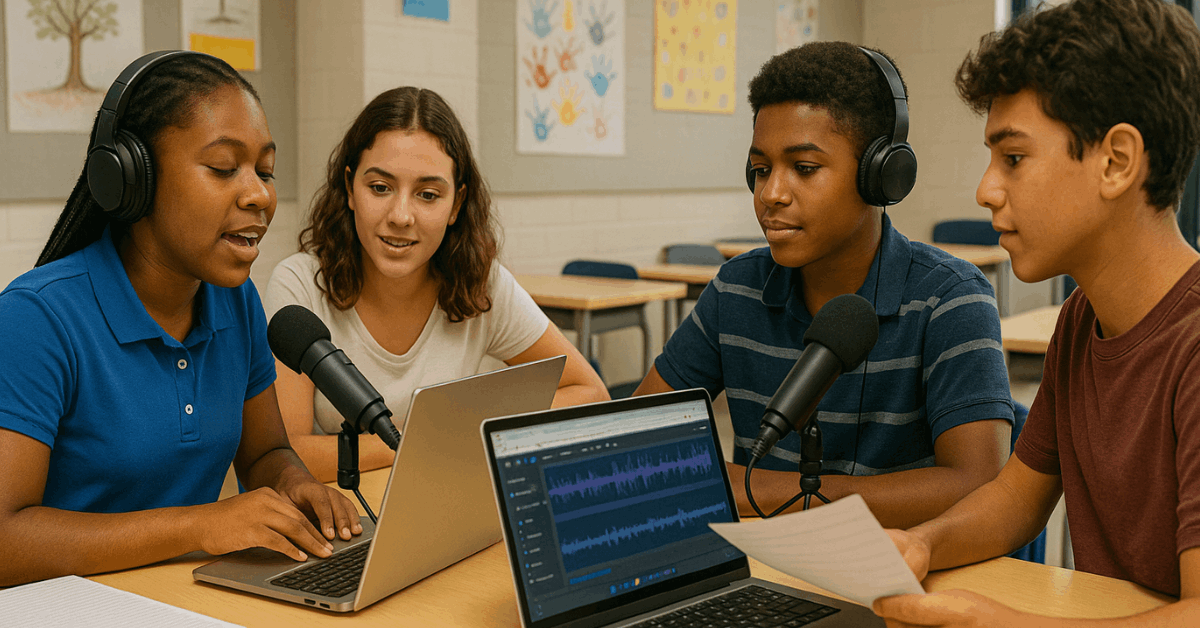
student-produced explainers,
podcasts,
data stories, and
simulations. - Reserve video viewing for targeted input, then pivot to output with rubrics that reward analysis, originality, and iteration.
Brazil-Focused Guardrails: Connectivity, Curriculum, and Data
Ambitious programs only work when grounded in classrooms; Educação Conectada invested over R$ 3 bilhões (2023–2025) to expand access, but impact depends on plans that match bandwidth, devices, and teacher time.
BNCC embeds digital culture across subjects, so pacing guides and rubrics should target competencies rather than generic screen time.
LGPD governs student data; ANPD enforcement demands defined controller/processor roles, a DPO, and clear vendor terms, including AI-training clauses.
A Lean Framework to Guide Decisions
Clear checkpoints reduce waste and improve outcomes while keeping risk low. Teams that follow a consistent protocol avoid scattered app sprawl and align purchases to instruction.
The five-step sequence below fits district committees and single-school PLCs alike.
- Define outcomes and evidence: Name the standard, the artifact students produce, and the rubric criteria; select formative assessment tools only after outcomes are fixed.
- Vet privacy and data flows: Map fields collected, where they travel, retention periods, and consent; align to data privacy LGPD requirements.
- Pilot in real conditions: Include average devices and typical bandwidth; prefer platforms offering low-bandwidth solutions and offline fallback.
- Plan support and PD. Budget for coaching, co-teaching, and quick-hit tutorials; measure adoption through student work and teacher reflections, not logins alone.
- Decide with a cross-functional committee: Join curriculum, IT, finance, and school leaders to cut overlaps and prioritize evidence-based edtech that meets multiple needs.
Measuring What Matters
Assessment gets easier when dashboards exist, yet fragile when scores overshadow learning quality. Balanced metrics show whether tools help students think, create, and retain.
Start with three signals:
- competency growth against rubrics,
- timely feedback cycles, and
- student ownership of work products.
Keep standardized test prep distinct from project-based evidence that showcases analysis and creativity.
Classrooms can pair quick checks with deeper artifacts. Exit tickets, self-checks, and short reflections supply formative data, while media projects capture transfer.
That mix prevents narrow optimization on quizzes while still supporting accountability and pacing.
Conclusion
Learning improves fastest when goals steer the stack, pilots honor real constraints, and routines tame distraction.
Schools in Brazil can pair national connectivity efforts with local governance, strong privacy practices, and teacher-centered support to translate platforms into outcomes.
The five fixes, objective alignment, honest pilots, sustained training, firm routines, and creation-first design, keep Tech in Education anchored to student work that matters.